
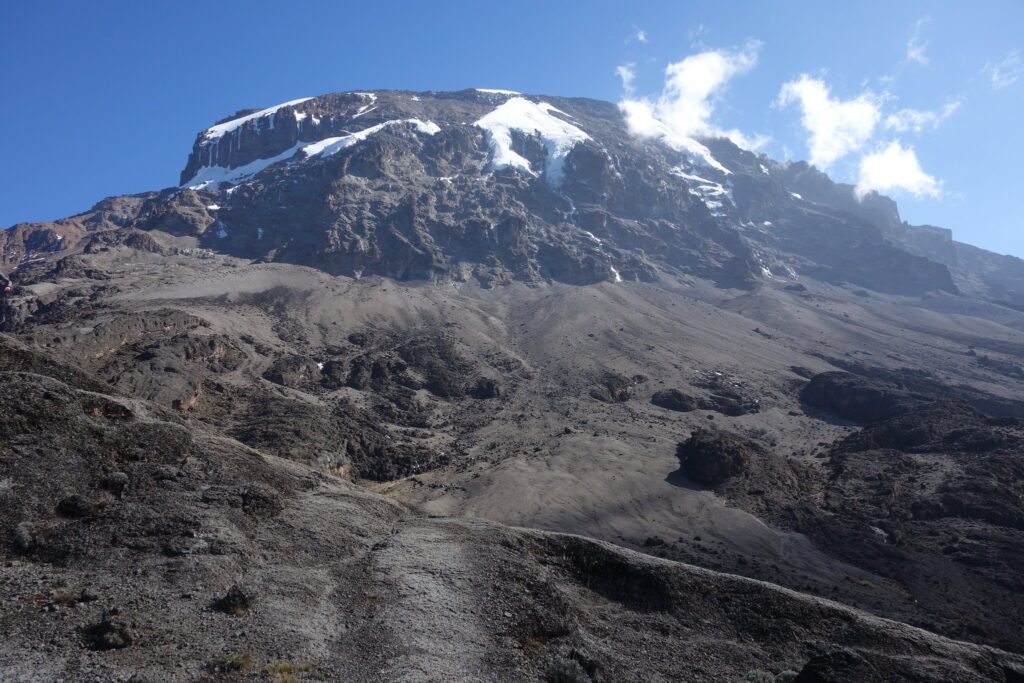
Rising majestically above the plains of Tanzania, Mount Kilimanjaro is Africa’s highest mountain and the world’s tallest free-standing volcano, reaching an elevation of 5,895 meters (19,341 feet). Known as The Roof of Africa, Kilimanjaro is a dream destination for adventurers, nature lovers, and first-time high-altitude trekkers.
Why Climb Mount Kilimanjaro?
-
No Technical Climbing Required – A challenging but non-technical trek suitable for fit beginners
-
Diverse Ecosystems – Rainforest, moorland, alpine desert, and icy summit glaciers
-
Iconic Summit – Uhuru Peak, the highest point in Africa
-
Breathtaking Scenery – Panoramic views over Tanzania and beyond
-
A Life-Changing Achievement – One of the world’s most rewarding trekking experiences
Popular Kilimanjaro Routes
-
Machame Route – Scenic and popular, excellent acclimatization
-
Marangu Route – The “Coca-Cola Route” with hut accommodation
-
Lemosho Route – Remote, scenic, and high success rates
-
Rongai Route – Quieter and drier, approaching from the north
-
Northern Circuit – Longest and best for acclimatization
-
Umbwe Route – Steep, direct, and challenging
Best Time to Climb
-
January to March – Clear skies, quieter trails
-
June to October – Dry season, best overall conditions
Wildlife & Nature
During the lower slopes trek, hikers may encounter:
-
Colobus monkeys
-
Blue monkeys
-
Unique alpine plants such as giant groundsels and lobelias
A Journey Worth Every Step
Climbing Mount Kilimanjaro is more than reaching a summit — it’s a journey through Africa’s natural beauty, cultural heritage, and personal limits. Standing on Uhuru Peak at sunrise is a moment you will never forget.